Kathir Engineering College

NEWS

50 k
Finished Sessions
70 k+
Enrolled Learners
120 +
Online Instructors
100 %
Satisfaction Rate

ABOUT THE DEPARTMENT

The Department of M.E. Computer Science and Engineering is committed to providing advanced postgraduate education that equips students with strong theoretical foundations and practical expertise in modern computing technologies. The program is structured to meet the growing demand for highly skilled professionals and researchers in the rapidly evolving field of computer science and engineering.

The department focuses on advanced areas such as artificial intelligence, machine learning, data analytics, cloud and edge computing, cyber security, Internet of Things, and advanced software engineering practices. The curriculum is designed to promote analytical thinking, problem-solving skills, and innovation through a balanced blend of coursework, laboratory sessions, seminars, and research-oriented projects.

With a team of qualified and experienced faculty members, the department encourages a strong research culture among students. Learners are motivated to undertake interdisciplinary research, publish papers in reputed journals and conferences, file patents, and develop industry-relevant solutions. The department maintains active collaborations with industries, research organizations, and academic institutions to expose students to real-world challenges and emerging technological trends.

The department also emphasizes professional ethics, lifelong learning, and leadership qualities. Through workshops, guest lectures, technical symposiums, and industry interactions, students gain hands-on experience and insights into current industry practices. Graduates of the program are well prepared for careers in research and development, academia, advanced technical roles in industry, and entrepreneurial ventures, thereby contributing effectively to technological and societal advancement.

VISION

To nurture advanced learning, research aptitude and innovation in Computer Science and Engineering, empowering graduates to become leading researchers, and entrepreneurs who drive technological progress and sustainable societal development.

MISSION

Department of M.E Computer Science and Engineering

Programme Education Objectives (PEOs)

Graduates can

Program Specific Outcome (PSOs)

Graduates should be able to:

Programme Outcomes (POs)

Graduate Attribute

  1. Engineering knowledge: Apply the knowledge of mathematics, science, engineering fundamentals, and an engineering specialization to the solution of complex engineering problems.
  2. Problem analysis: Identify, formulate, research literature, and analyze complex engineering problems reaching substantiated conclusions using first principles of mathematics, natural sciences, and engineering sciences.
  3. Design/development of solutions: Design solutions for complex engineering problems and design system components or processes that meet the specified needs with appropriate consideration for the public health and safety, and the cultural, societal, and environmental considerations.
  4. Conduct investigations of complex problems: Use research-based knowledge and research methods including design of experiments, analysis and interpretation of data, and synthesis of the information to provide valid conclusions.
  5. Modern tool usage: Create, select, and apply appropriate techniques, resources, and modern engineering and IT tools including prediction and modelling to complex engineering activities with an understanding of the limitations.
  6. The engineer and society: Apply reasoning informed by the contextual knowledge to assess societal, health, safety, legal, and cultural issues and the consequent responsibilities relevant to the professional engineering practice.
  7. Environment and sustainability: understand the impact of the professional engineering solutions in societal and environmental contexts, demonstrate the knowledge of, and need for sustainable development.
  8. Ethics: Apply ethical principles and commit to professional ethics, responsibilities, and norms of the engineering practice.
  9. Individual and teamwork: Function effectively as an individual, and as a member or leader in diverse teams, and in multidisciplinary settings.
  10. Communication: Communicate effectively on complex engineering activities with the 21 engineering community and with society at large, such as, being able to comprehend and write effective reports and design documentation, make effective presentations, and give and receive clear instructions.
  11. Project management and finance: Demonstrate knowledge and understanding of the engineering and management principles and apply these to one’s own work, as a member and leader in a team, to manage projects and in multidisciplinary environments.
  12. Life-long learning: Recognize the need for, and have the preparation and ability to engage in independent and life-long learning in the broadest context of technological change.

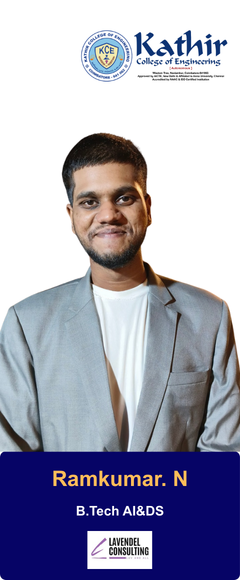
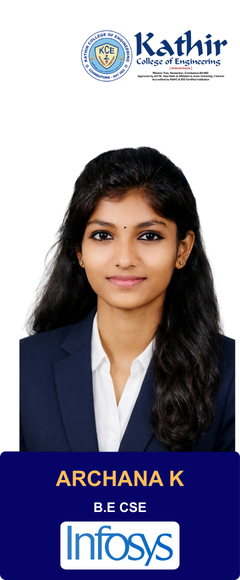
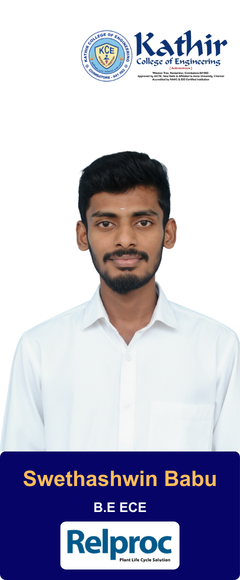
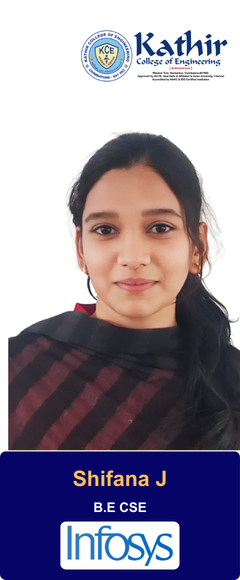
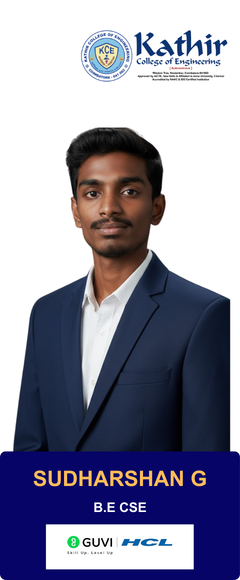
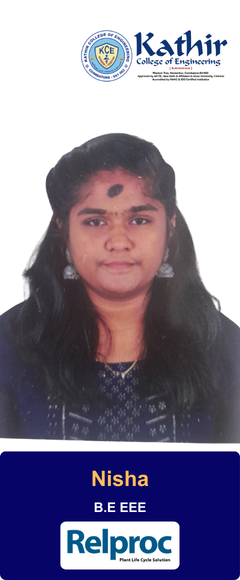
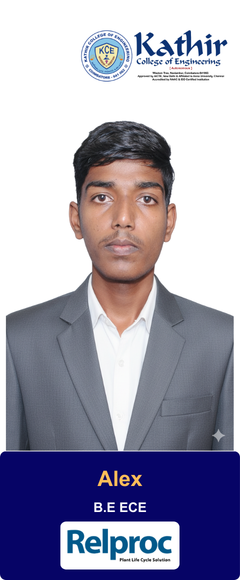
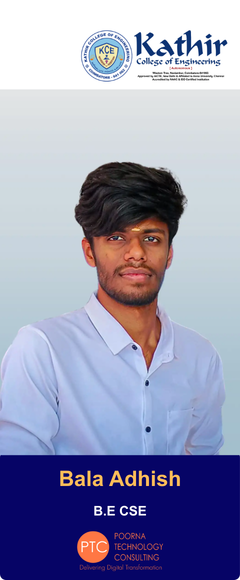
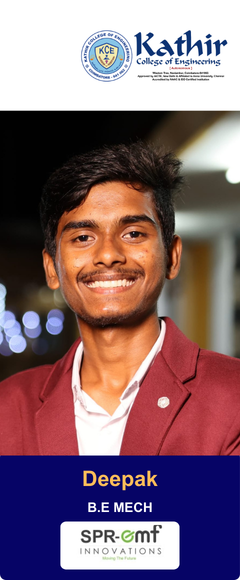
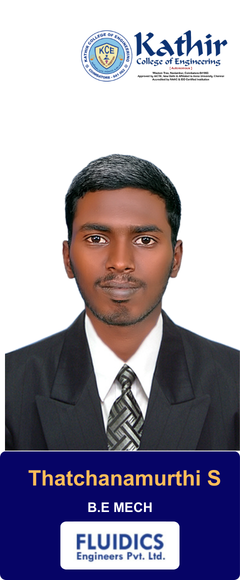
Placement Highlights

2025-2026

Shaping careers through strong industry
connections and placement excellence.

Speach

HOD’S Message

Welcome to the Department of M.E. Computer Science and Engineering. It gives me great pleasure to lead a department that is committed to academic excellence, research innovation, and the holistic development of students in the field of advanced computing.

The M.E. Computer Science and Engineering program is designed to equip students with in-depth knowledge, analytical skills, and research capabilities required to address complex technological challenges. Our curriculum is continuously updated to reflect emerging trends such as artificial intelligence, data science, cloud computing, cybersecurity, and advanced software engineering, ensuring that our graduates remain competitive in a dynamic global environment.

The department is supported by a team of highly qualified and dedicated faculty members who actively engage in teaching, research, and professional development. We strongly encourage students to participate in research activities, publish technical papers, undertake innovative projects, and collaborate with industry and research organizations. This research-oriented approach helps students develop critical thinking, problem-solving abilities, and a spirit of innovation.

We place strong emphasis on professional ethics, teamwork, leadership qualities, and lifelong learning. Through seminars, workshops, industry interactions, and technical events, the department provides ample opportunities for students to enhance their technical competence and professional skills.

I am confident that our graduates will emerge as competent engineers, researchers, academicians, and technology leaders who can contribute meaningfully to society and the nation. I wish all our students a rewarding academic journey and every success in their professional careers.

Professors

FACULTY

Dr.P.BANUMATHI

PROFESSOR

Specialization : Artificial Intelligence and Machine Learning